

Hotel Furniture Grading: Guest Room, Deluxe and Suite Tiers
A hotel does not furnish every room the same way, and a supplier that quotes one spec for all of them is not giving you a real plan. Guest rooms, deluxe rooms and suites sit on different tiers, and the furniture spec, the cost per piece and the durability expectations rise with the tier. Here is how hotel furniture grading works and how to set it per tier.

Neveitalia supplies hotel bedroom and suite furniture from its Foshan factory, and it budgets the FF&E by tier rather than as one average number.
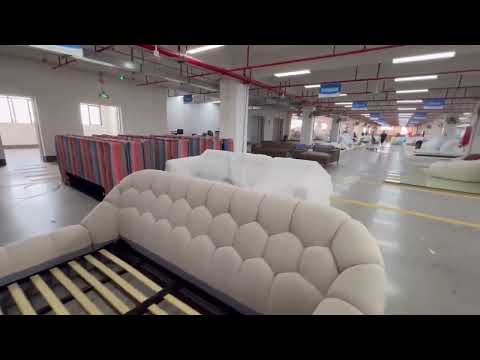
The Tier Logic
The three tiers exist because a guest room is a high-turnover room that has to be durable and replaceable, while a suite is a showcase that has to impress and can carry a premium finish. The spec should rise with the tier, so the guest room uses a value-forward, durable build and the suite uses a more refined finish and a higher cushion density.
Grading by tier also makes the budget realistic. A single average cost per room will over-spend on the guest rooms and under-spend on the suites, so a tiered plan is more accurate.
Guest Room Grade
The guest room is the workhorse. It wants a durable frame, a mid-density cushion, an easy-clean fabric and a repeatable spec, because it turns over every day and is used by a wide range of guests. The finish should be clean and consistent, not high-maintenance. The durability bar is set against the number of covers, not against the look.
Because a guest room is high-turnover, the fabric and the finish should resist wear and staining, which is the same logic as the FF&E budgeting guide.
Deluxe Grade
The deluxe room steps up the spec. It uses a higher-density cushion, a better fabric and a more finished joinery, and it may add a feature piece such as a headboard or a lounge chair. The cost per room rises, but so does the perceived quality, and the deluxe tier is where a property differentiates its mid-range inventory.
Suite Grade
A suite is the premium tier. It uses a custom or a high-grade finish, a top cushion and an upholstered or a designer piece, and it is where the FF&E budget concentrates. A suite can be a single statement room or a set, and it is where the supplier has to match a design brief rather than a repeatable spec. The hotel suite furniture package guide shows how a suite is specced as a coordinated set.
The performance and durability standard for a contract-grade tier is set by the Business and Institutional Furniture Manufacturers Association, which publishes the test methods a contract piece should meet for the tier you are buying.
Setting the Spec Per Tier
Define the frame, cushion density, fabric grade, finish and durability target for each tier, and get a quote per tier rather than per room. This lets you see where the cost rises and decide whether the upgrade is worth it. The boutique vs chain packages guide shows how the tier decision changes for a smaller property.
How to check a hotel furniture grade by tier
Start with the tier logic this article uses: guest room, deluxe and suite are different specs, not the same sofa with a different pillow. Ask which tier the piece is for, and read the spec that belongs to that tier. A single finish book used for every room has not been graded.
Check guest room grade for durability and calm repetition. The article treats this tier as the workhorse. Confirm the cloth, frame and service parts can be repeated across many rooms and cleaned on a hotel rhythm. A one off showpiece with no repair path fails this tier even if it looks rich.
Check deluxe grade for the step up the article describes, still inside a written spec. Compare it with the guest room line and see what actually changed: cloth, detail or comfort. If you cannot see the change on the sample, the deluxe name is unchecked.
What to look at
Hotel grading is a check that guest room, deluxe, and suite are different builds, not one sofa with three names. Look at what changes as the tier rises: the cloth, the fill, the finish, and the durability you expect in that room. Look at a sample for each tier you intend to buy. A single hero piece shown for the suite and then quietly repeated downward is not a grade. It is a blur.
Look at the boundaries in plain words. A buyer should be able to say what the guest room is refused and what the suite is promised. If the only difference is a colour name, you do not have tiers. You have a palette. Ask the factory to place the tiers side by side and to say which parts are shared and which parts must not be shared.
Which two documents must match
The tier specification and the quotation have to describe the same build for each tier. The specification says what guest room, deluxe, and suite mean. The quotation is what the factory priced and will make. If the quotation collapses the tiers into one description, or swaps the names, they do not match.
When to stop
Stop when one build is offered for every tier. Stop when the quotation renames a tier without changing the specification to match. Do not approve a model room, and do not let purchasing split the order, while those two papers disagree. A verbal promise that the suite will be nicer is not a grade. Hold the file until each tier can be read, on both papers, as its own product. A line that serves two tiers with one build is not a grade, and it should go back before any room is set. Name guest room, deluxe, and suite as separate builds on both pages before a model room is approved. Do not set a room from a quotation that still shares one build across tiers.
Common Questions
Why grade hotel furniture by tier?
Because a guest room, a deluxe room and a suite have different durability, finish and cost needs. Grading by tier gives a realistic budget and avoids over-spending on the guest rooms or under-spending on the suites.
What is the difference between a guest room and a suite spec?
A guest room uses a durable, repeatable, easy-clean build, while a suite uses a higher-grade finish, a better cushion and a custom or designer piece. A suite concentrates the FF&E budget.
How do I set the durability spec for a tier?
Set the frame, cushion density, fabric grade and finish against the covers and the traffic for that tier. Use the contract test methods to confirm the piece meets the performance you need.
Related reading: Hotel Brand Standards vs FF&E Specs: Keeping Both Rulebooks Satisfied
Related reading: Luggage Racks, Mirrors and Desks: Guest Room Pieces


