

Material Traceability: Batch Numbers and Logs in Sofa Manufacturing
A sofa is a stack of materials, and if one of them is faulty it is not always obvious which one. Material traceability is what turns a post-sale problem into a quick fix instead of a full recall. A batch number and a production log let you trace a faulty cushion, a frame or a fabric back to its batch, its supplier and its date. Here is how traceability works in sofa manufacturing and why it matters.
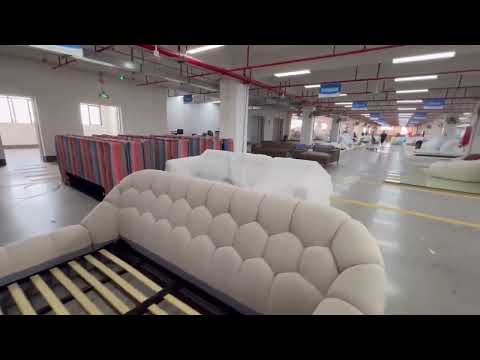
Neveitalia builds upholstered sofas at its Foshan factory, and the batch log is part of the QC record that accompanies an order.
What a Batch Number Tells You
A batch number identifies the exact production lot of a material. When a roll of fabric, a batch of foam or a bundle of timber carries a batch number, the factory can trace every piece cut from it back to that lot. That is the difference between a targeted fix and a whole-shipment guess.
Without a batch number, a fault in one cushion means checking every sofa in the order, because there is no way to know which cushion came from the suspect material.
The Production Log
The production log records which operator, which machine and which date produced each sofa, and which material batch it used. It is the link between the finished product and the materials. A strong log includes the frame batch, the foam density and batch, the fabric roll and the finish, so a fault can be traced to the exact input.
This is why a supplier that keeps a log is easier to work with on a warranty claim. The plywood grades for sofa frames guide shows how a frame material is specified, and the leather grades article shows how a material grade is defined, both of which feed the batch record.
Why It Matters for a Claim
When a buyer receives a complaint, the first question is whether it is an isolated piece or a systemic fault. A batch log answers that. If the fault traces to one batch, the supplier replaces that batch. If it traces across batches, the problem is in the process, and the fix is different. Traceability makes that judgement fast and fair.
The acceptance and audit approach that underpins a traceable QC is the reference the American Society for Quality publishes, and it is why a buyer should ask for the batch record alongside the QC report.
What To Ask a Manufacturer
Ask for the batch number on the fabric and frame, the production log per sofa, and the incoming material QC result. Ask whether a returned piece can be traced back to a specific batch and date, and whether the supplier holds a retained sample of the material. A supplier that can answer these is running a traceable process.

Traceability and Repeat Orders
Traceability also protects a repeat order. If a buyer reorders the same fabric or the same cushion, the batch record lets the supplier match the new spec to the approved sample, avoiding a slow drift across orders. The retained sample and the batch log are what keep a second shipment identical to the first.
How to check batch numbers and production logs
Ask what a batch number points to, which is the first method in this article. It should tie a roll of cloth, a hide lot, a foam batch or a frame lot to the sofas that used it. Read one number on the goods or the pack and ask the factory to open the record it names. If the number is only a serial sticker with no record, traceability has not been checked.
Open the production log beside that number. The article describes a log of what was built, when, and with which materials. Confirm you can move from the sofa to the material and from the material to the other sofas in that batch. A log that cannot travel in both directions is incomplete.
Test the claim path. Imagine one defect and ask which other units share the batch. The factory should answer from the log, not from memory. This is why the article says traceability matters for a claim. If they cannot name the sister units, you cannot limit a problem, and the system is unchecked.
Ask for the documents the article tells buyers to request: batch marks, incoming material records, and the log that joins them. Collect them for one real order, not as a blank template. A template nobody has filled in does not verify the factory.
What to look at
Traceability is a check that a faulty cushion, frame, or cloth can be walked back to a batch. Look at the mark on the goods, the record that created it, and the supplier line behind that record. A batch code that nobody can open is decoration. Ask for one recent piece and follow it, in the papers, without help from memory.
Which two documents must match
The batch record and the production log have to name the same batch for the same component. The record is the identity on the material or the piece. The log is the story of when it was used and who supplied it. If the mark on the goods is not the batch in the log, or the log has no supplier for that batch, they do not match.
When to stop
Stop when a claim would require the factory to guess which batch you received. Stop when the log and the mark disagree and the answer is that codes are internal. Do not call the order traceable, and do not accept a later shipment as the same materials, until both papers can point at one batch. A label sewn in for show is not that system. Follow one real piece from the mark to the log before you call the order traceable, and stop if a colleague cannot repeat that path. If the path breaks anywhere, the batch system is not ready to support a claim. Keep the mark and the log in the same folder as the order.
Common Questions
What is a batch number in furniture?
It is a reference for a specific production lot of a material, such as a fabric roll or a foam batch. It lets the factory and the buyer trace every piece made from that material back to the lot, so a fault can be pinpointed.
Why does traceability matter?
It turns a fault into a targeted fix instead of a whole-shipment guess, and it makes a warranty claim fair. It also keeps a repeat order consistent with the approved sample.
What traceability documents should I ask for?
Ask for the fabric and frame batch numbers, the production log per sofa, the incoming material QC result and a retained material sample. A supplier that can provide these runs a traceable process.
Related reading: Leather Grading Verification


